Massachusetts Real Estate Renter's Guide
Boston's rental market moves incredibly quickly, which is no surprise considering the high demand from university students, young professionals, and short-term business travelers. At most points in the year, we have what is considered a 'hot market,' with multiple applicants vying for rental properties throughout Greater Boston. Navigating this challenge, along with the vicissitudes of the season, are the primary factors that motivate renters to seek guidance from our consultants at Zenith.
We have a long standing history representing renters and landlords, and our in-depth knowledge about both sides of the transaction helps our clients gain the competitive edge they need to secure their rentals in Boston and surrounding areas.
Last updated: March 2026
In This Guide
Defining Your Goals
More often than not, location is the primary determining factor to help hone your search; you may be looking for a convenient work commute, or proximity to public transportation or local amenities. Furthermore, understanding your budget can help us identify neighborhoods with options that fit your search criteria.
Unlike buying, where you have the option to renovate or redesign a space to better suit your needs, the nature of the rental market limits you to whatever is currently available–often in 'as-is' condition. Especially during peak demand seasons (March-September), once a gem pops up, it can be gone overnight. So, once you've narrowed down your search criteria (budget, location, number of bedrooms, parking or public transport needs, pet-friendly space, accessibility needs, etc.), you're ready to take the next step and pounce on the best opportunities as they appear on the market.
Preparing for a Showing
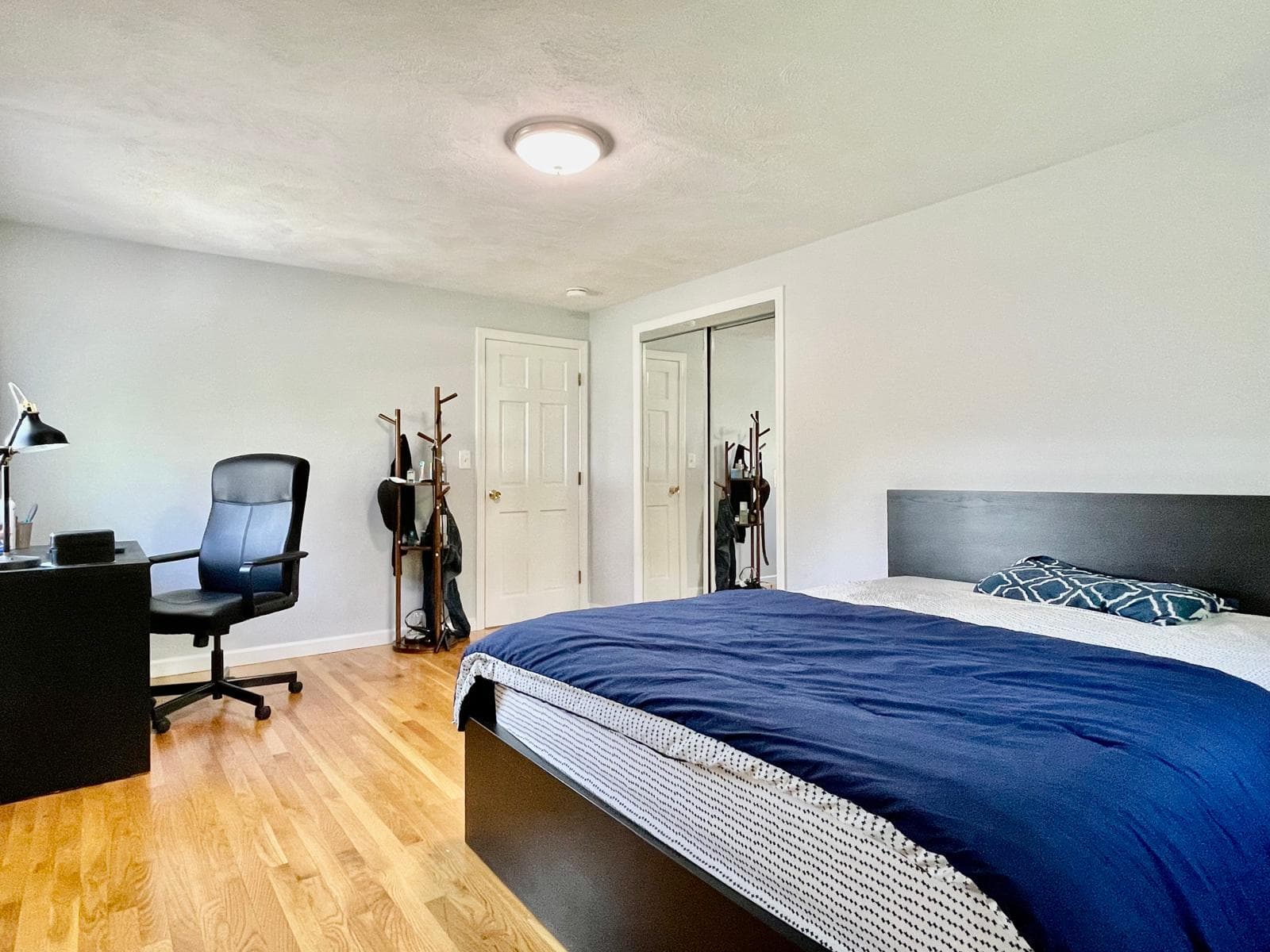
Showings are your chance to see rentals in person, and make sure they include all of the amenities and space you are looking for, whether it be a dishwasher, in-unit washer/dryer, backyard, storage space, etc. Most landlords don't include elaborate renovations as part of their financial model, and the most they'll usually do before accepting a new lease is adding a fresh coat of paint or making minor repairs if needed. What you see is usually what you get, so showings allow you to really envision what your home would look like in each space you view, and how your day-to-day life would look.
Questions to Ask at Showings
- •Where is the parking?
- •Are utilities included?
- •Where does trash get taken out?
- •What's the laundry situation?
- •Do the windows all lock?
- •Where can you install a TV or air conditioning?
- •How is your cell phone service?
Gathering information, as well as conducting a thorough assessment of the living space and even the surrounding neighborhood, can give you a great idea of what to expect during the duration of your tenancy. We highly encourage movers to check the water pressure, look for water damage in cabinets, assess wear and tear on appliances, measure living/bedroom spaces to see if your furniture will fit, and more. Asking the right questions can make a huge difference in your rental search, and Zenith is here to help you know what to ask!
The Application Process
Once you've found the perfect space to call your home, it's time to formally apply. Typically, you can only apply to one place at a time due to the nature of the process, but fortunately, the turnaround process to receive an application response is pretty quick, averaging a couple days in most cases.
The process can vary based on the owner and their tenant criteria. Typically, landlords will request an application, social security numbers (written in the application), credit history report, employment verification (employment letter or 2 most recent pay stubs), and a government issued ID from every adult household member. In addition, some places require a deposit before the application is reviewed, which is typically applied to the first month's rent if you are accepted, or fully refunded if the application is rejected.
Understanding Broker Fees in Massachusetts
As of August 2025, Massachusetts law changed how broker fees work in residential rentals. Under the new law, the party who hires the broker is responsible for paying the broker's fee. In most rental transactions, this means the landlord pays the broker fee — since landlords are typically the ones who engage a broker to market and lease their property.
Renters are only responsible for a broker fee if they independently hire their own broker to represent them in a rental search. If you find a listing through a broker who was hired by the landlord, you should not be charged a broker fee for that transaction.
This is a significant shift from prior practice in Greater Boston, where renters historically paid broker fees — often equivalent to one month's rent — even when the broker was primarily engaged by the landlord. The new law brings greater transparency and fairness to the rental process.
Massachusetts Broker Fee Law (Effective August 2025)
The party who hires the broker pays the fee. In most cases, landlords hire brokers to market and lease their properties, making them responsible for the fee. Renters only pay if they independently hire their own broker.
Read the official FAQ on Mass.gov →Your Zenith representative will always be transparent about how fees work in your specific transaction. Whether you're a renter or a landlord, we'll ensure you understand your obligations before any agreements are signed.
Caution: Apartment Scams
Whether you're working with a broker or searching independently, be vigilant about apartment scams. They exist on Facebook, Craigslist, and other platforms. Beware of listings that require a deposit prior to showings, don't disclose a physical address, or request bank account information. You can always verify realtor licenses through the state website to make sure you're communicating with a licensed agent.
Moving In
Once you're fully approved and a lease has been executed, you can expect to receive the keys the morning of move-in. If you plan on hiring a moving company, we highly recommend that you reach out to schedule them the second you have an executed lease. The last week and first week of the month tend to be the busiest time for movers, and they book out quickly, so you want to make sure you have a reservation set as far in advance as possible.
Finally, the last thing we suggest prior to moving your belongings in is to take photos or videos of the space to assess the condition at move-in (in addition to filling out a Statement of Condition form within your first 15-30 days of occupancy). Any information or evidence you have prior to moving in will be helpful in the event of a dispute regarding your security deposit with the landlord. Once all of this is done, you're officially free to start settling into your new home!
Final Remarks
Hopefully, after reading this guide, you have a much better understanding of what to expect when navigating Boston's fast-paced rental market. It can certainly be a daunting task, but fortunately, the professionals at Zenith Residential Properties are here to help!
Related Resources
Landlord's Guide
Understand the landlord perspective on leasing and compliance.
Buyer's Guide
Ready to transition from renting to owning? Start here.
Fair Housing Compliance
Know your rights as a renter under fair housing laws.
Rental Market Slowdown
Key stats on the shifting rental landscape in Greater Boston.
Ready to Optimize Your Real Estate Asset?
Get clarity on your next real estate move with a complimentary asset review from our team.
Talk with a Zenith Advisor