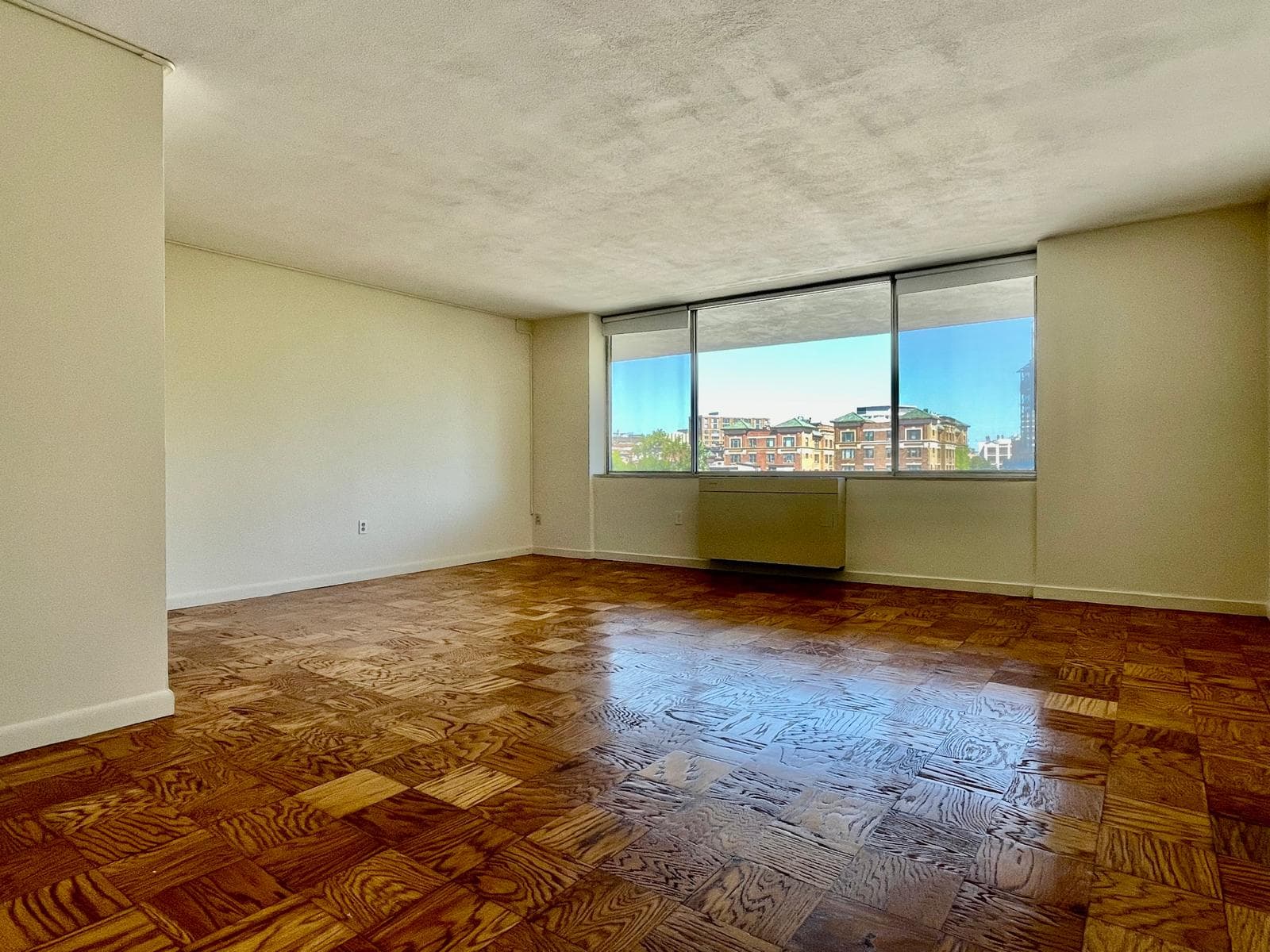
Why Vacancy Control Scares Every Housing Professional I Know
At Zenith Residential Properties, we've spent nearly a decade working directly in the Greater Boston rental market — managing large lease-up projects, advising landlords through market cycles, and placing thousands of tenants into homes across a wide range of price points. We've seen the market at its best, and we've seen it under real strain.
That's why it's important to say this plainly: rent control is an overcorrection to a real problem, and history shows it often creates more harm than relief.
The Problem Is Real — But It's Not What Rent Control Claims
Housing displacement is real. No tenant signs a lease expecting to be priced out of their home. At the formation of any landlord-tenant relationship, there is mutual agreement a moment of instant satisfaction with the deal terms. Rent reflects what a tenant believes they can afford and what a landlord needs to operate and maintain the property responsibly.
The breakdown happens later. Over the past several years, tenants across Greater Boston have been hit with:
- Rapid increases in insurance, utilities, taxes, and maintenance costs
- Wage growth that hasn't kept pace with inflation
- Post-COVID rent spikes driven by sudden demand surges
- The emergence of rental pricing software that accelerated rent increases well beyond organic market movement
These forces collided at once — and tenants felt the impact most acutely. But freezing rents through regulation doesn't address the root cause. It simply shifts financial pressure elsewhere, often undermining housing quality and long-term supply.
The Most Dangerous Form of Rent Control: Vacancy Control
Among housing professionals, the most concerning policy proposal is vacancy control. Vacancy control prevents landlords from adjusting rent to market rates when a unit turns over. Instead, the rent for a new tenant is capped based on what the previous tenant paid.
While this sounds tenant-friendly on paper, in practice it is deeply destabilizing. In an environment where operating costs continue to rise, vacancy control:
- Locks landlords into permanently under-market rents
- Makes long-term maintenance financially unsustainable
- Discourages reinvestment and capital improvements
- Pushes owners to exit the rental market entirely
The outcome is predictable: aging, poorly maintained housing stock or fewer rental units altogether — both of which harm tenants most.
The Data Is Clear: Rent Control Reduces Housing Supply
This isn't theoretical. It's been studied extensively.
A landmark Stanford University study examining rent control expansion in San Francisco found that strict rent control:
- 15%reduction in rental housing supply
- 5-7%increase in rents citywide
- Accelerated condo conversions and owner-occupancy, removing units from the rental pool
Source: Diamond, McQuade & Qian (2019) — The Effects of Rent Control Expansion on Tenants, Landlords, and Inequality
Closer to home, a well-known MIT study analyzed Cambridge after rent control ended in 1994 and found that:
- Property values increased significantly
- Housing quality improved
- Spillover benefits extended into surrounding neighborhoods
Source: Autor, Palmer & Pathak (2014) — Housing Market Spillovers: Evidence from the End of Rent Control in Cambridge, Massachusetts
Similar outcomes have played out in New York City, San Francisco, and most recently St. Paul, Minnesota — where new housing construction slowed dramatically after rent control passed, forcing lawmakers to later weaken the policy.
Supply Works — And We're Seeing It Right Now
Ironically, the market is already demonstrating what works. Across Boston and surrounding municipalities, rents have begun to stabilize and, in some areas, soften — not because of regulation, but because supply has increased.
New construction deliveries, shifting household formation, and broader migration patterns have eased demand pressure. This is how markets correct themselves naturally:
- More units create competition
- Competition stabilizes rents
- Tenants gain leverage without distorting incentives
Rent control attempts to legislate stability, but supply achieves it sustainably.
The Larger Issue: Wage Stagnation
Housing affordability doesn't exist in isolation. When wages fail to keep pace with inflation, every sector becomes more expensive — not just housing. Rent control treats the symptom while ignoring the disease, and in doing so, risks damaging the very housing stock people depend on.
Why Process Matters
What's most concerning about the current conversation in Massachusetts isn't just the proposal itself — it's the order of operations. Policymakers are discussing rent control legislation while simultaneously proposing committees to study its impacts. That logic is backwards. Why legislate first and study later — especially when rent control has a well-documented history of unintended consequences?
Sound policy requires understanding before action.
Where Massachusetts Stands Today
Massachusetts is currently considering a statewide rent control ballot initiative that would cap annual rent increases and potentially introduce vacancy control, depending on final implementation.
At Zenith Residential Properties, we will continue to follow these developments closely — analyzing data, monitoring outcomes in other cities, and sharing insights with our clients and community.
Final Thoughts
Rent control sounds compassionate — but compassion without evidence is risky. If the goal is affordability, stability, and long-term housing quality, the path forward is clear:
- Increase housing supply
- Encourage responsible development
- Support income growth
- Implement targeted tenant protections — not blanket controls
History shows that rent control, especially vacancy control, undermines these goals.
At Zenith Residential Properties, we believe thoughtful analysis and market-driven solutions lead to better outcomes for tenants, landlords, and cities alike.
Ready to Optimize Your Real Estate Asset?
Get clarity on your next real estate move with a complimentary asset review from our team.
Talk with a Zenith Advisor